Welcome to Wetlands International Malaysia

Welcome to the website of the Malaysian programme of Wetlands International. Wetlands International is a global organisation that works to sustain and restore wetlands and their resources for people and biodiversity.This site is maintained by our Malaysian office in Selangor, Malaysia.

Ramsar Convention

In Malaysia, Wetlands International has been instrumental in the country's ascension to the Ramsar Convention in 1994 with the designation of Tasek Bera as the country's first Ramsar site. The Government of Malaysia is a country member of Wetlands International since 2002.

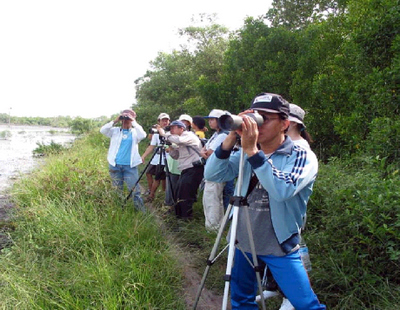
Wetlands International Malaysia has developed several major regional programmes on waterbird and wetland monitoring and conservation action, including the Asian Waterbird Census (since 1991), the Asia-Pacific Migratory Waterbird Conservation Strategy (1996-2006) and the Asian Wetland Inventory (1999-2004).

Today, Wetlands International Malaysia focuses its activities in the following areas:

  • Informing stakeholders and decision makers about the status and trends of wetlands in Malaysia
  • Mainstreaming the role of wetlands in sustainable development
  • Show the importance of the services and values of wetlands in Integrated Water Resource Management
  • Conserving wetland species and habitats, in particular migratory waterbirds

We provide technical, project and information services to a range of national and state government agencies and organizations to build capacity and to facilitate wetland conservation activities, and to ensure their wise use.

Our latest publications

Integrating ecosystems in resilience practice

The integration of ecosystems and natural resource management in disaster risk reduction (DRR) has been largely overlooked to date. This document introduces a set of criteria, which can be used by policy makers and practitioners to better integrate the management of ecosystems and natural resources in their DRR work.

 Read more...
Storm Surge Reduction by Mangroves

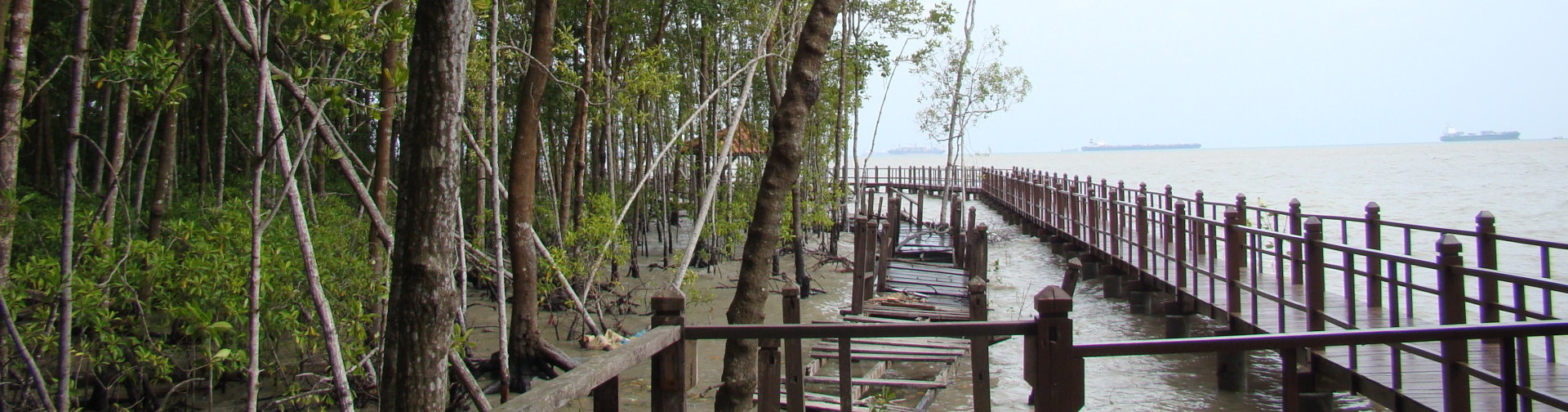
Mangroves can reduce storm surge water levels by slowing the flow of water and reducing surface waves. Therefore mangroves can potentially play a role in coastal defence and disaster risk reduction, either alone or alongside other risk reduction measures such as early warning systems and engineered coastal defence structures (e.g. sea walls).

 Read more...


For more publications, go to the Library page

Latest Press Release

Our first sightings in Brunei

To protect and restore wetland areas of high biodiversity value in the lower Belait valley, Brunei Shell Petroleum and WI are working together to develop a Biodiversity Action Plan. In order to do this we first need to know what plants and animals are living in the area. Therefore we are carrying out biodiversity surveys focused on peat swamp and estuarine fishes, mammals, vegetation, reptiles and amphibians, birds, dragonflies and bats in the project area.

Coelognathus flavolineatus, photo by Ulmar Grafe


For more news go to NEWS.
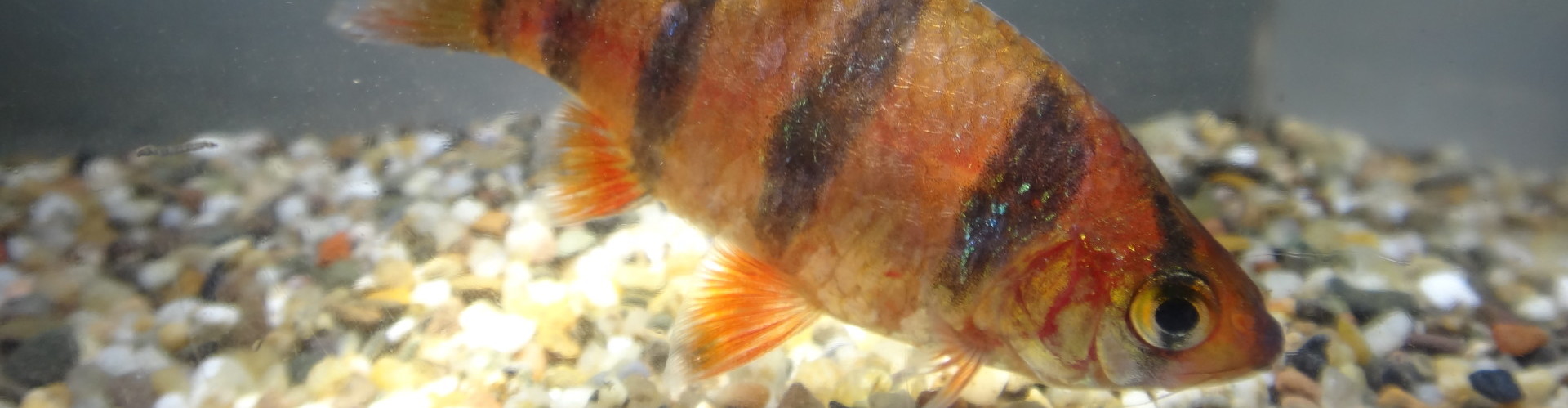
Betta Persephone, critically endangered, endemic fish from Ayer Hitam Forest Reserve, Johor. Recently rediscovered by WI

Our latest projects

A Biodiversity Action Plan for the footprint of Shell in Brunei

The rarely visited country of Brunei Darussalam is a green gem on the rapidly deforesting island of Borneo. Much of Brunei is still covered in peat swamp or mangrove forest, which is in stark contrast to the situation in other countries within the region. These forests are rich with species of plants and animals, but face threats due to development, peat drainage and fires. To conserve and restore Brunei’s green heritage Wetlands International Malaysia is partnering with Brunei Shell Petroleum (BSP) and Brunei Liquified Natural Gas (BLNG) (together referred to as Brunei Shell Joint Venture - BSJV) to improve the sustainability of their ongoing oil and gas activities. A Biodiversity Action Plan is being developed and implemented for the onshore footprint of BSJV.

Reducing the risk of floods and landslides in the Philippines

Population pressures and the over- and misuse of natural resources has resulted in widespread ecosystem degradation and led to the increased risk of (elongated) floods and landslides. In four sites in the Philippines, both urban and rural, we are working to reduce the risk of these water-related disasters.


For more projects, go to all our projects.